
The evolution of slot machines: from mechanical to digital
Posted By Gianantonio Mazzoni
The Birth of Slot Machines: Mechanical Origins
The journey of slot machines began in the late 19th century when Charles Fey invented the first mechanical slot machine known as the Liberty Bell. This innovative creation featured three spinning reels and five symbols, including horseshoes, diamonds, and the iconic Liberty Bell itself. Players would pull a lever to set the reels in motion, hoping to align the symbols for a payout while enjoying an experience similar to those found at an online casino fast withdrawal platform. The simplicity of the design and the enticing possibility of winning a jackpot quickly captured players’ interest, leading to widespread adoption in bars and small gambling establishments.
In the years following Fey’s invention, various manufacturers began to produce their versions of slot machines, enhancing features and design. These early models typically operated on a coin mechanism, requiring players to insert coins to engage the reels. The addition of mechanical bells and lights created a more engaging experience as players celebrated their wins with audible signals and bright displays. This era marked the beginning of gambling as an entertainment staple, with slot machines becoming increasingly popular across the United States and beyond.
The mechanical era of slot machines flourished for several decades, evolving into more complex designs. By the 1930s, innovations such as the introduction of the electromechanical slot machine emerged, which allowed for more intricate payout systems and varied gameplay. These advancements laid the groundwork for the technological revolution in the gambling industry, setting the stage for the digital transformation that would follow.
The Rise of Electromechanical Machines
The 1960s and 1970s marked a pivotal turning point in the slot machine landscape with the introduction of electromechanical machines. These machines merged traditional mechanics with electronic components, allowing for greater gameplay complexity and enhanced player engagement. One notable example was the “Money Honey” slot machine, which featured a bottomless hopper that could hold coins and automatically pay out winnings up to $2,000. Its eye-catching design and enticing payouts attracted players and generated excitement on casino floors.
Electromechanical machines paved the way for innovative features such as multiple paylines, which enabled players to win on several lines simultaneously. This era also saw the introduction of larger jackpots, additional symbols, and various themes, catering to a broader audience. As casinos began to recognize the potential profitability of these machines, competition led to further advancements, including more intricate sound effects and animated graphics that enhanced the gaming experience.
As the popularity of electromechanical slot machines increased, so did regulatory scrutiny. Many jurisdictions began implementing gaming regulations to ensure fairness and transparency. This led to the development of random number generators, which determined the outcome of each spin. These technological advances not only maintained player trust but also laid the groundwork for the digital slot machines that would soon dominate the market.
The Digital Revolution: Video Slot Machines
The transition to a digital format began in the late 1970s and early 1980s with the advent of video slot machines. Unlike their mechanical predecessors, video slots utilized a digital screen to display the game, allowing for more elaborate graphics and animations. These machines revolutionized gameplay by introducing interactive features, such as bonus rounds and themed storytelling that captivated players and enhanced their gaming experience.
One of the first successful video slot machines was “Fortune Coin,” developed by Si Redd in 1976. This machine marked the beginning of a new era where players could enjoy a completely transformed experience. With vibrant graphics and engaging soundtracks, video slots attracted a younger generation of players who were drawn to the immersive qualities of digital technology. The introduction of multi-line and progressive jackpot systems further expanded player engagement and excitement.
As digital technology advanced, gaming developers began to experiment with various themes and concepts, resulting in a wide array of video slot machines. This growth led to a plethora of options, appealing to different tastes and preferences. The competition among manufacturers also encouraged innovation, pushing the boundaries of creativity in features and graphics. This era solidified video slots as a staple in casinos, not only due to their entertainment value but also for their profitability.
The Mobile Revolution and Online Slots
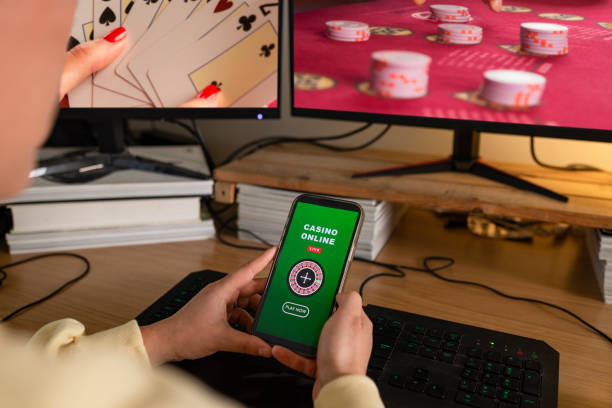
The digital evolution didn’t stop at video slots; the rise of the internet in the late 1990s and early 2000s introduced online slots, allowing players to enjoy their favorite games from the comfort of their homes. Online casinos began to flourish, offering a wide range of slot games that replicated the excitement and interactivity of traditional machines while providing access to a global audience. This innovation marked the demise of geographical barriers, giving players who may not have access to physical casinos the opportunity to engage in slot gaming.

Mobile technology further transformed the slot machine landscape by enabling players to access games on smartphones and tablets. Developers recognized the potential of mobile gaming and began optimizing their slots for smaller screens, leading to significant growth in mobile gaming industries. Players could now enjoy their favorite games anytime and anywhere, creating a more personalized and immersive experience.
The rise of online and mobile casinos contributed to the popularity of gamification features, such as rewards, achievements, and social sharing, further enhancing player engagement. Gamers now had access to exclusive bonuses and promotions, which incentivized gameplay and encouraged brand loyalty. This innovative approach to player interaction has made the digital realm an integral part of the slot machine experience, propelling it into the forefront of modern entertainment.
Future Trends and Conclusion
The evolution of slot machines is far from over as technology continues to advance. Current trends suggest a shift toward virtual reality and augmented reality, offering players even more immersive experiences. Developers are exploring the potential of incorporating these technologies into slot gaming, creating an environment where players can interact with the game in unprecedented ways. This evolution could redefine how players perceive and engage with slot machines.
Moreover, artificial intelligence and machine learning are also expected to play significant roles in the future of slot gaming. These technologies could enable personalized gaming experiences by analyzing player behavior and preferences, adapting game features to suit individual tastes. With ongoing innovations, the potential for creativity and engagement in the slot machine industry seems limitless.
As we look back on the journey from mechanical to digital, it’s clear that the evolution of slot machines has been driven by technological advancements and player preferences. This evolution has transformed gaming into a multifaceted experience, blending entertainment, technology, and social interaction. Understanding this evolution provides a glimpse into the future of gaming and highlights the enduring appeal of slot machines in the gambling landscape.