
Can you really beat the house edge in casinos?
Posted By Gianantonio Mazzoni
Understanding the House Edge
The house edge is a crucial concept in the world of gambling, representing the built-in advantage that casinos have over players in various games. This advantage is typically expressed as a percentage, which varies from one game to another. For example, classic games like blackjack can feature a house edge as low as 0.5% when players follow optimal strategies. In contrast, slot machines can have a house edge ranging from 2% to a staggering 15%, depending on the game’s structure and payout ratios. Many players are drawn to these games, often seeking out the best online pokies for their entertainment value, and this inherent advantage ensures that, over time, the casino will generate profit regardless of the short-term outcomes experienced by players.
Understanding the house edge not only empowers players to make informed choices about which games to engage in but also enables them to develop effective strategies. By selecting games with a lower house edge, players can potentially enhance their chances of winning over extended play. Popular choices for those aiming to minimize the house advantage include blackjack, craps, and baccarat. However, it is vital to remember that while strategies can help reduce the house edge, they cannot eradicate it entirely; they merely serve to mitigate its effects.
Moreover, the house edge is an omnipresent factor that applies universally to all players, reinforcing the notion that even the most skilled gamblers are bound by its influence. Recognizing this reality allows players to approach gambling with realistic expectations and a more disciplined mindset. By understanding the implications of the house edge, players can better manage their bankrolls and make more calculated decisions during their gambling experiences.
Strategies to Minimize the House Edge
While it may not be possible to completely overcome the house edge, players can adopt various strategies to reduce its impact on their gameplay. One of the most effective methods is gaining a thorough understanding of the rules and odds associated with different games. For instance, in blackjack, players who are proficient in knowing when to hit, stand, or double down based on the dealer’s exposed card can significantly influence the game’s outcome. By mastering these optimal strategies, players can effectively lower the house edge and improve their overall winning potential.
Bankroll management is another critical aspect of minimizing the house edge. Establishing clear limits on how much money to wager and adhering to that budget can prevent players from impulsively chasing losses, ensuring a more enjoyable gambling experience. One popular approach involves the ’50-50 strategy’, where players bet half of their bankroll on the first game and distribute the rest across subsequent games. This method can extend a player’s gaming session and increase their chances of winning against the house.
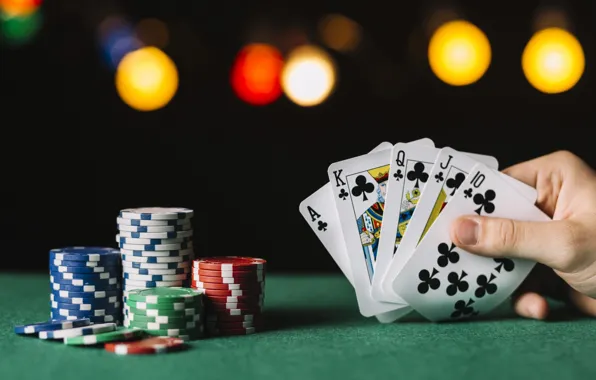
Additionally, players should take advantage of the various bonuses and promotions offered by casinos. These incentives can include welcome bonuses, deposit matches, or loyalty rewards that enhance a player’s bankroll without additional financial risk. However, it is essential to carefully read the terms and conditions associated with these bonuses, as they often come with wagering requirements that must be met before any withdrawals can be made. By leveraging these bonuses effectively, players can further reduce the house edge and increase their chances of a successful gambling experience.
The Role of Skill vs. Luck in Casino Games
When it comes to gambling at casinos, the interplay between skill and luck varies significantly across different games. Games such as poker and blackjack are heavily reliant on player skill, which includes decision-making, strategic thinking, and psychological tactics. A skilled poker player, for example, can influence their odds through techniques like bluffing or analyzing opponents’ behavior. Similarly, an experienced blackjack player may employ card counting to gain a competitive edge over the house, leading to a higher probability of long-term profitability.
Conversely, games like roulette and slot machines are predominantly luck-based, where outcomes are determined purely by chance. In these instances, no amount of skill or strategy can sway the results, making it crucial for players to recognize that their odds of winning are directly tied to luck. Understanding this distinction is vital for players to adjust their expectations and approach each game with the appropriate mindset—one that acknowledges the limits of strategic play.
Moreover, the psychological dimensions of skill versus luck significantly impact the gambling experience. Skilled players may enjoy a sense of control, prompting them to make more thoughtful decisions, while players of luck-based games often feel at the mercy of fate. This understanding can shape how individuals engage with their preferred games, influencing their overall satisfaction and likelihood of returning to the casino. By appreciating both elements, players can refine their strategies and enhance their enjoyment of the gambling experience.
The Impact of Casino Design on Players
Casinos are intricately designed environments crafted to maximize player engagement and, ultimately, revenue. This design encompasses not only the games on offer but also elements such as lighting, sound, and spatial layout. For instance, vibrant colors and dazzling lights are strategically placed to capture players’ attention and create an exhilarating atmosphere, encouraging extended play. Additionally, casino layouts are often designed to obscure exits, subtly guiding players to remain within the gaming area rather than leave.

The sensory experience of being in a casino is carefully curated to evoke specific emotions that keep players engaged. The sounds of coins clinking, cheers from nearby tables, and the rhythmic whirring of slot machines contribute to an immersive environment. These design strategies leverage psychological triggers that encourage players to lose track of time and money, allowing the house edge to take effect more easily. As a result, players may find themselves wagering more than they initially intended, leading to unexpected losses.
Understanding the psychology behind casino design can empower players to make more informed choices regarding their gambling habits. Recognizing the allure of the environment can help individuals maintain self-control and establish personal boundaries. By being aware of how these factors influence their behavior, players can approach their casino experience with a strategic mindset, counteracting the design elements that aim to prolong their time spent gambling.
Your Guide to Responsible Gaming
Responsible gaming is a fundamental aspect of the casino experience, emphasizing the importance of moderation and informed decision-making. Whether you are a newcomer or a seasoned player, setting personal limits on time and money spent in casinos is crucial for fostering a healthy gambling approach. This practice not only protects your bankroll but also helps maintain a positive relationship with gambling. Viewing gambling as a form of entertainment rather than a revenue source can shift your perspective and reduce potential stress associated with losses.
Furthermore, many casinos are now incorporating responsible gaming features into their operations, including self-exclusion programs, deposit limits, and access to support resources. These initiatives aim to promote safe gambling practices and equip players with the tools needed to recognize when their gambling may be becoming problematic. Engaging with these resources can empower individuals to make healthier choices and seek assistance when necessary.
Through responsible gaming practices, players can fully enjoy the excitement of casinos while minimizing associated risks. It is essential to remember that, while the thrill of winning can be alluring, the ultimate goal should be to appreciate the experience. By maintaining a balanced approach and being aware of factors that could lead to excessive gambling, individuals can ensure that their time spent in casinos remains enjoyable and fulfilling.